生分解性とは?
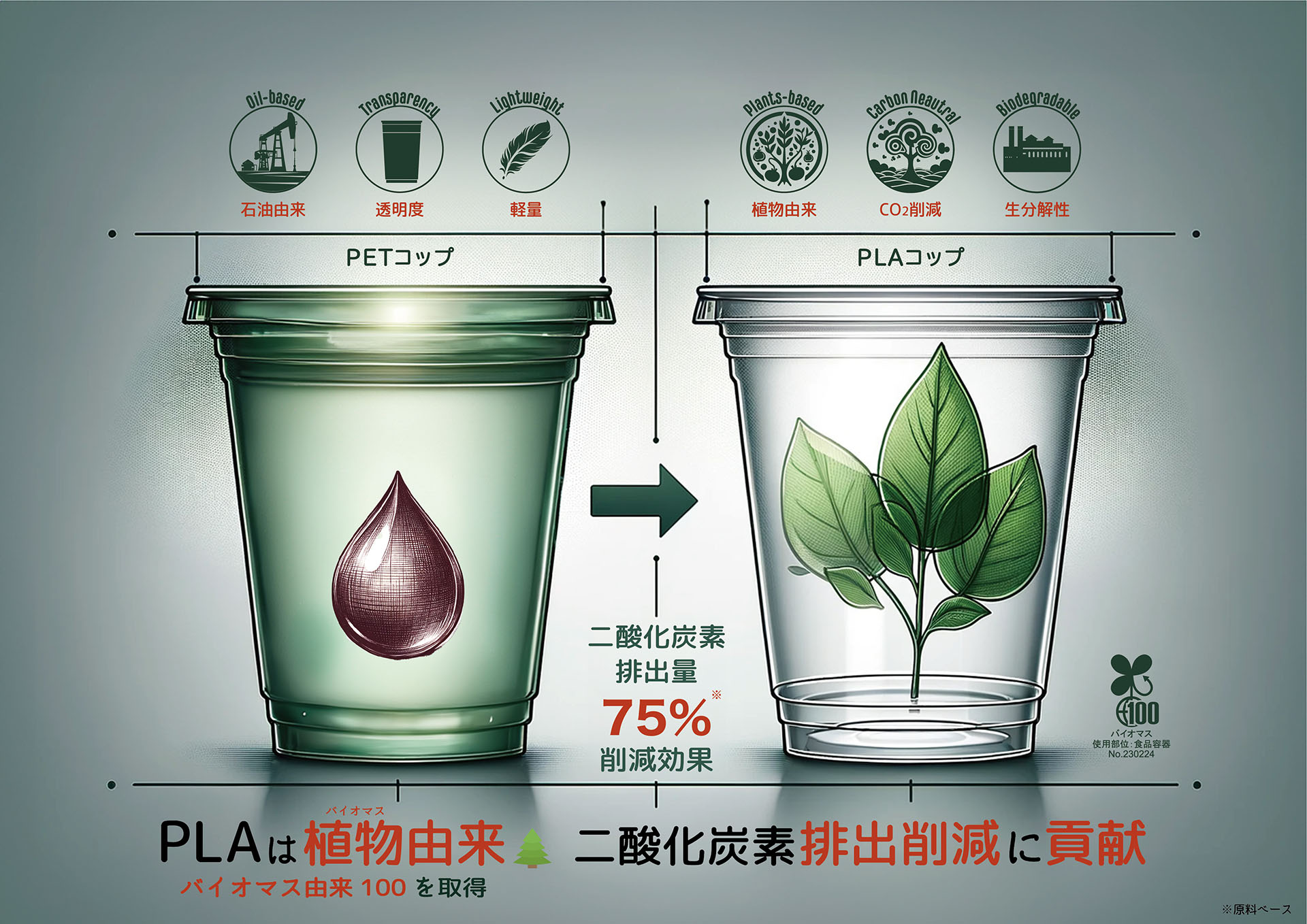
「生分解性」とは、物質が微生物の活動(細菌、真菌など)によって自然に分解され、環境中の基本的な要素(例:水、二酸化炭素、メタン、ミネラルなど)に変換される特性を指します。この過程は、特定の条件下で進行し、結果として、生分解性の物質は自然環境において時間の経過とともに分解・消失します。
生分解性は、環境負荷を減少させるための一つの方法として注目されています。というのも、一般的なプラスチック製品は自然環境に放置されると数百年もの間分解されずに残存し、環境問題として捉えられています。一方、生分解性のプラスチックやその他の材料は、適切な条件下であれば比較的短期間で分解されるため、環境への影響が軽減される可能性があります。
以下の点を理解しておくことが重要です:
条件が重要:物質が生分解性であると言っても、それがどのような条件下で、どのくらいの速さで分解されるかは異なります。例えば、産業的なコンポスト施設では高温や高湿度の条件下で迅速に分解されるかもしれませんが、自然環境や家庭のコンポストで同じ速さで分解されるとは限りません。
What is "Biodegradability" ?
"Biodegradability" refers to the characteristic of a substance to naturally decompose through microbial activity (such as bacteria and fungi), converting it into fundamental environmental elements (e.g., water, carbon dioxide, methane, minerals, etc.). This process occurs under specific conditions, and as a result, biodegradable materials will break down and disappear over time in the natural environment.
Biodegradability is gaining attention as one method to reduce environmental impact. This is because typical plastic products, when left in the environment, can persist without breaking down for centuries, leading to environmental concerns. On the other hand, biodegradable plastics and other materials have the potential to decompose in a relatively short period under appropriate conditions, possibly mitigating their impact on the environment.
It's crucial to understand the following points:
Conditions Matter: Even if a material is biodegradable, the conditions under which, and the speed at which, it decomposes can vary. For instance, while it might rapidly decompose under the high temperatures and humidity of industrial composting facilities, it may not degrade at the same rate in natural settings or home compost piles.
小ロット印刷対応
ロット1,000個から印刷可能
ブランドやイベントのPRにぴったり!
詳細は下記画像から